
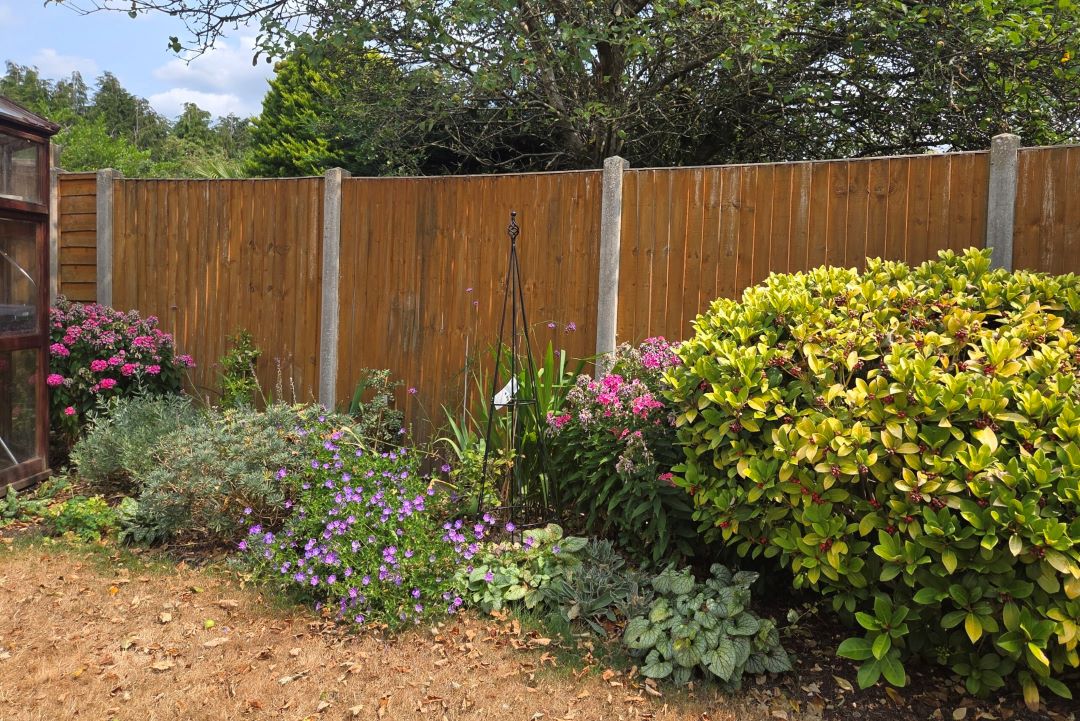
The British climate is changing, and our gardens are changing with it.
The changing British climate is placing increasing pressure on our gardens. Longer, hotter summers, extended dry spells and periods of heavy rainfall can leave lawns, borders and established plants struggling to cope.
At Benita’s Garden Services, I have seen how these changing conditions are affecting gardens across Wimborne and East Dorset. Dry, compacted soil can struggle to absorb sudden rainfall, while plants that once thrived may need additional watering and care during warmer months.
By improving soil health, managing rainwater more effectively and choosing climate resilient plants, it is possible to create a garden that remains attractive throughout the seasons, supports local wildlife and requires less maintenance over time.
Understanding Our Changing Climate
Across the UK, gardeners are experiencing:
- Longer, hotter summers.
- More frequent periods of drought.
- Heavy rainfall in shorter intense bursts.
- Increased pressure on plants, soil and wildlife.
Here in Dorset, many gardeners are already noticing these changes. After weeks of dry weather, lawns become brown, borders dry out and plants begin to struggle. Then, when heavy rain finally arrives, dry, compacted soil often cannot absorb the water quickly enough, resulting in puddles, surface run off and waterlogged borders.
At Benita’s Garden Services, I encourage clients to think about long term, sustainable solutions that help gardens adapt to these changing conditions.
What Is a Rain Garden?
A rain garden is a shallow planted area designed to collect rainwater from roofs, patios, paths or driveways and allow it to soak naturally into the ground.
Rather than sending rainwater directly into drains, a rain garden temporarily stores water, helping to reduce local flooding while providing valuable moisture for carefully selected plants.
Benefits of a Rain Garden
- Helps reduce local flooding.
- Improves drainage.
- Filters pollutants naturally.
- Reduces pressure on drainage systems.
- Supports bees, butterflies and other wildlife.
- Recharges ground water.
Even a small rain garden can make a positive difference in an average size garden.
Creating a Drought Resilient Garden
A drought resilient garden doesn’t have to look dry or barren. With thoughtful planting it can remain colourful, full of texture and attractive throughout the season while requiring less watering.
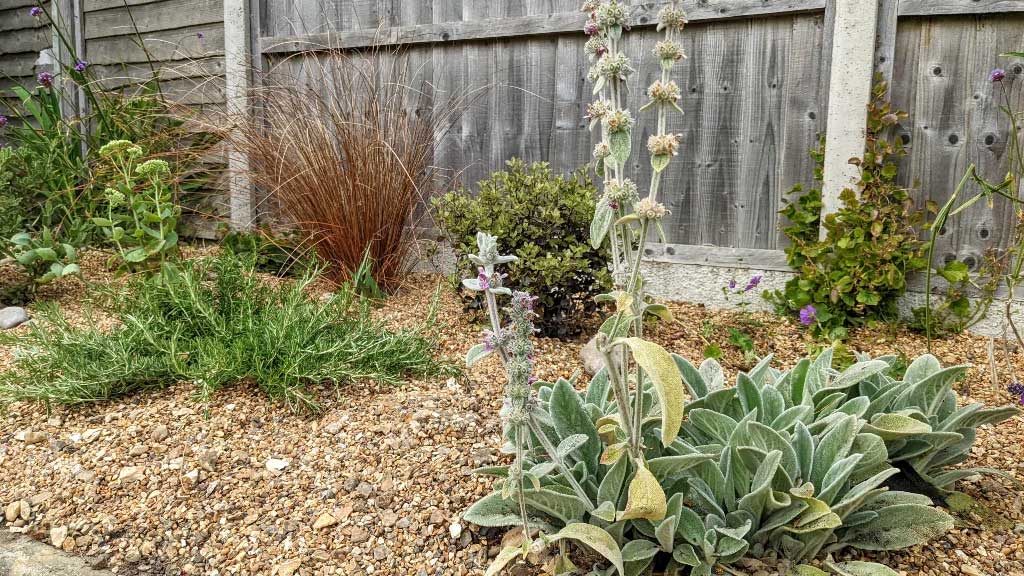
Simple ways to improve drought resilience include:
- Applying a generous layer of organic mulch each spring.
- Adding compost to improve soil structure.
- Grouping plants with similar watering needs together.
- Watering deeply but less frequently to encourage a stronger root system.
- Choosing plants that naturally tolerate dry conditions once established.
Plants That Can Tolerate Both Drought and Heavy Downpours
Many perennial plants are surprisingly adaptable once established and can tolerate periods of dry weather as well as occasional heavy rainfall.
Excellent choices include:
- Verbena bonariensis
- Achillea
- Nepeta
- Salvia
- Echinacea
- Rudbeckia
- Hardy Geranium
- Persicaria
- Iris sibirica
- Deschampsia
- Calamagrostis
- Sedum
Lavender is also an excellent drought tolerant plant but performs best in free draining soil.
Combining flowering perennials with ornamental grasses creates movement, texture and year round interest while providing valuable habitats for pollinators.
Trees and Shrubs for a Changing Climate
Many trees and shrubs are well suited to increasingly unpredictable weather.
Examples include:
- Amelanchier
- Field Maple
- Crab Apple
- Hazel
- Cornus
- Viburnum
- Tinus aronia
- Elaeagnus
These provide seasonal colour, flowers, berries and shelter for wildlife while helping gardens become more resilient.
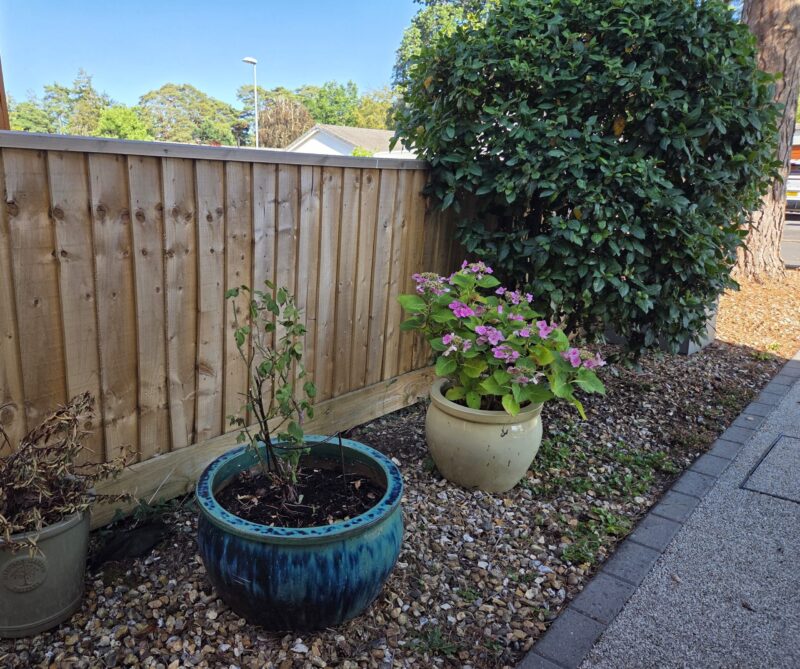
Healthy Soil is the Foundation of Every Garden
Healthy soil acts like a sponge. It absorbs rainfall during storms while retaining moisture during dry periods.
Adding compost, leaf mould or well rotted organic matter improves soil structure, encourages earthworms and supports beneficial microorganisms that help plants thrive.
Healthy soil is one of the most important foundations of a climate resilient garden.
Gardening For Wildlife
Climate resilient gardens benefit far more than plants.
Thoughtful planting provides nectar, pollen, shelter and food for:
Bees, Butterflies, Hoverflies, Birds, Frogs, Hedgehogs, Beneficial insects
At Benita’s Garden Services, I believe every garden, however large or small, has the potential to become a valuable habitat for wildlife while remaining beautiful and practical.
You can find more practical ideas in our guide to supporting garden wildlife.
Practical Tips For Dorset Gardeners
Small changes can make a significant difference:
- Improve soil with compost every year.
- Mulch borders each spring.
- Collect rainwater in water butts.
- Reduce large areas of lawn where practical.
- Choose climate resilient plants.
- Plant trees and shrubs in autumn to encourage strong root growth.
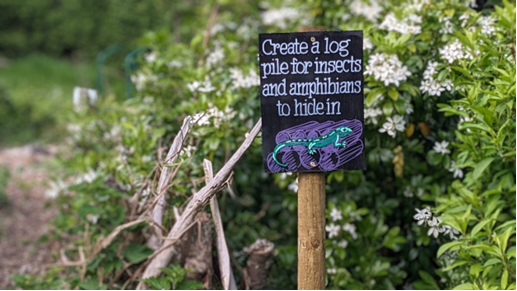
- Leave seed heads and natural habitats for wildlife over winter.
Looking Ahead
Climate change presents new challenges for gardeners, but it also gives us an opportunity to create outdoor spaces that work more closely with nature.
Improving soil, collecting and managing rainwater, choosing resilient plants and providing habitats for wildlife can all help a garden cope more successfully with periods of drought and heavy rainfall. Even small changes can make a noticeable difference over time.
Benita’s Garden Services provides practical planting advice, border improvements and ongoing garden maintenance throughout Wimborne, Ferndown, Broadstone, Corfe Mullen, Colehill, West Moors, Sturminster Marshall and the surrounding areas of East Dorset.
Whether you would like to redesign a border, introduce more drought tolerant planting, improve your soil or create a more wildlife friendly garden, I would be delighted to help.