Getting Your Plot Spring-Ready
February is a bit of a “bridge” month for us here in East Dorset. While the frost can still bite — especially in the more exposed areas of St Leonards and St Ives — the lengthening days mean the soil is starting to stir.
Whether you’re tucked away in a Wimborne cottage garden or managing a larger plot in Ferndown, now is the time to lay the groundwork for a spectacular spring. Here is your local guide to what needs doing this month.
In the Vegetable Patch
The sandy, free-draining soil common in Ferndown and West Moors often warms up a little faster than the heavier clays found elsewhere, giving you a slight head start.
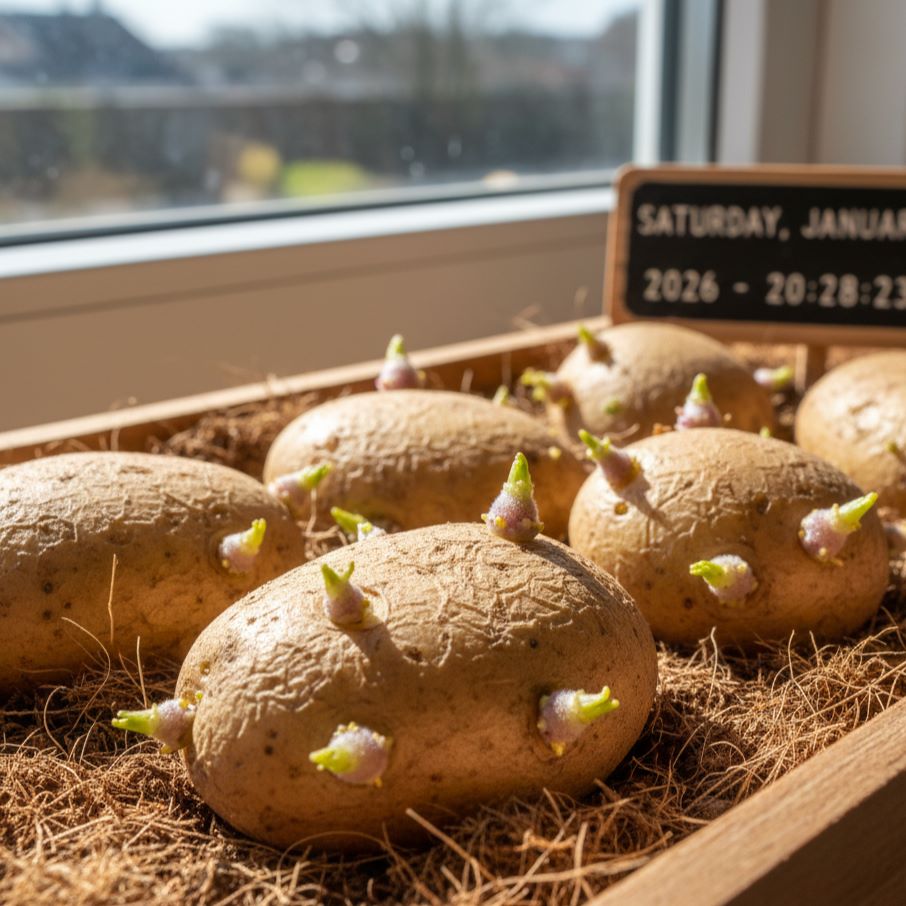
Chit Your Potatoes
Buy your seed potatoes now. Stand them “eyes up” in egg boxes in a light, frost-free spot. A windowsill or porch is perfect.
Sow Under Cover
If you have a greenhouse or a sunny windowsill, start sowing sweet peas, broad beans, and hardy peas.
Prepare the Beds
If the ground isn’t frozen, dig in some well-rotted manure or garden compost. For those in St Leonards, covering your veg beds with black plastic or cloches now will help warm the soil for March sowings.
A Note on Rhubarb
Place a large bucket or a traditional “forcing jar” over your rhubarb crowns to encourage those tender, pink stalks.
Pruning and Maintenance
February is the “last chance” month for many pruning jobs before the sap begins to rise.
Recommended Local Garden Centres and Nurseries
The Specialist Choice
They are world-renowned specialists in Camellias and Blueberries.
Why visit: You won’t find a better selection of varieties specifically suited to our local soil.
Location: Stapehill Road, Wimborne (just a 5-minute drive from Ferndown).
The Local Giant
Haskins Garden Centre (Ferndown)
This is a local institution. It’s massive, well-stocked, and perfect if you want to combine plant shopping with a coffee.
Why visit: They have an enormous range of Pieris, Choisya, and spring bulbs ready to plant. Their “Plant Advice Centre” is also great for troubleshooting specific garden issues.
Location: Longham, Ferndown. The Heritage
The Heritage Pick
Stewarts has a deep history in Dorset (dating back over 200 years!). The Broomhill site feels more “country” and traditional.
Why visit: They have a brilliant selection of shrubs and trees, and their nursery stock is consistently high quality. It’s also a great spot for high-quality garden tools.
Location: God’s Blessing Lane, Broomhill (convenient for those in St Leonards/St Ives).
The Independent Gem
Beecroft Nursery (Wimborne/Merley)
If you prefer a smaller, family-run feel where “the plants are the stars,” Beecroft is excellent.
Why visit: They grow a lot of their own stock and offer very honest, practical advice on what will thrive in our specific sandy/acidic conditions.
Location: Queen Anne Drive, Wimborne (near the Merley roundabout).
For the Rare and Unusual
Located between Ferndown and Verwood, this is a “proper” plant hunter’s nursery.
Why visit: They specialise in Rhododendrons, Azaleas, and Heathers — all of which love the acidic soil of St Leonards and St Ives.
Location: Horton Road, Three Legged Cross.

The East Dorset Spring Shopping List
The Acid Lovers
These thrive in our local pH and are perfect for St Leonards and St Ives.
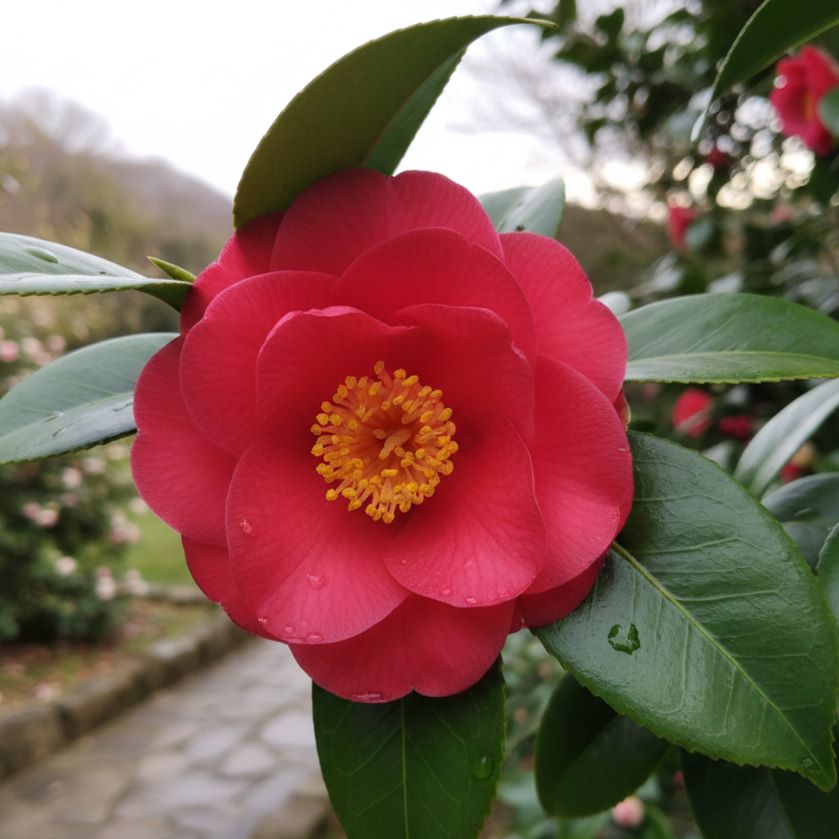
Camellia japonica
A winter-flowering favourite that brings colour when little else is blooming.
Pieris japonica
‘Forest Flame’ is the classic variety, loved for its brilliant red spring foliage.
Rhododendrons & Azaleas
Look for compact varieties if you have a smaller Wimborne garden.
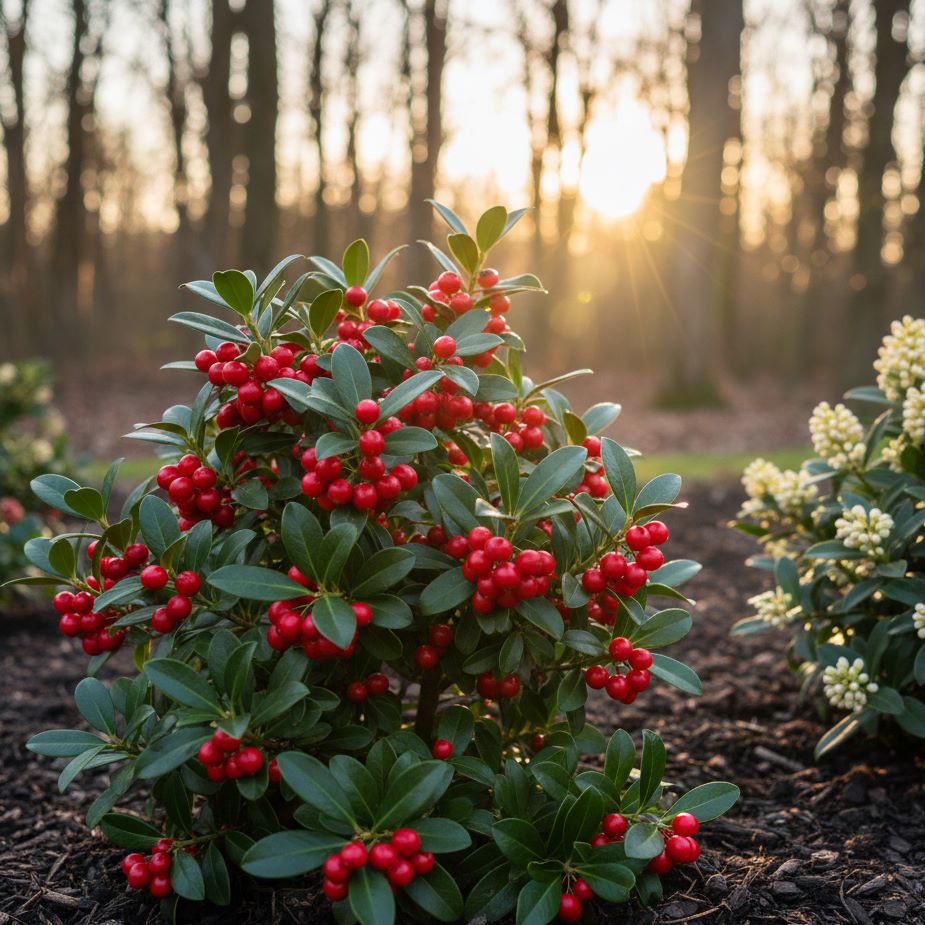
Skimmia japonica ‘Rubella’
Great for evergreen structure and beautifully scented spring flowers.
Drought-Tolerant and Sandy Soil
These love the fast-draining soil commonly found in Ferndown and West Moors.
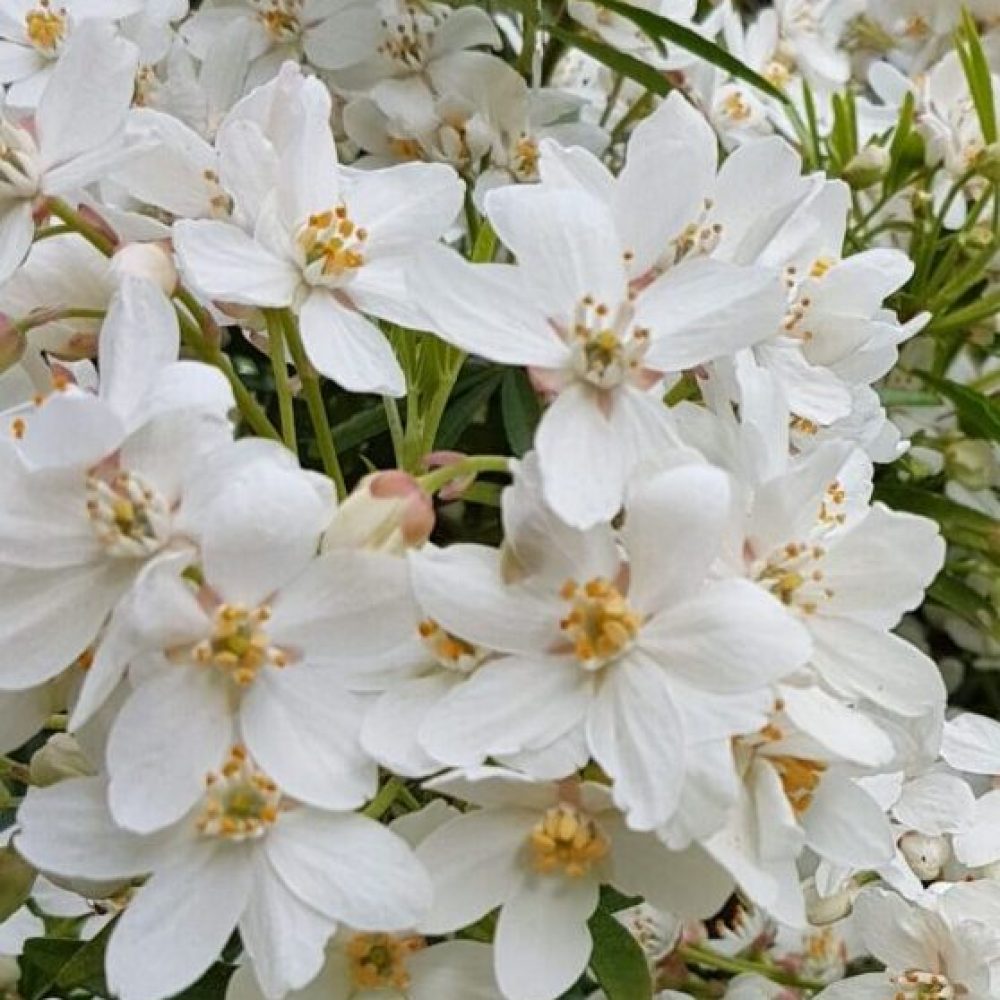
Choisya ternata
Also known as ‘Mexican Orange Blossom’, valued for its glossy foliage and fragrant flowers.
Ceanothus
Look for varieties such as ‘Skylark’ or ‘Concha’ for those famous blue blooms.
Lavandula angustifolia (Lavender)
It’s a little early to plant, but keep an eye out — lavender thrives in sandy soil.

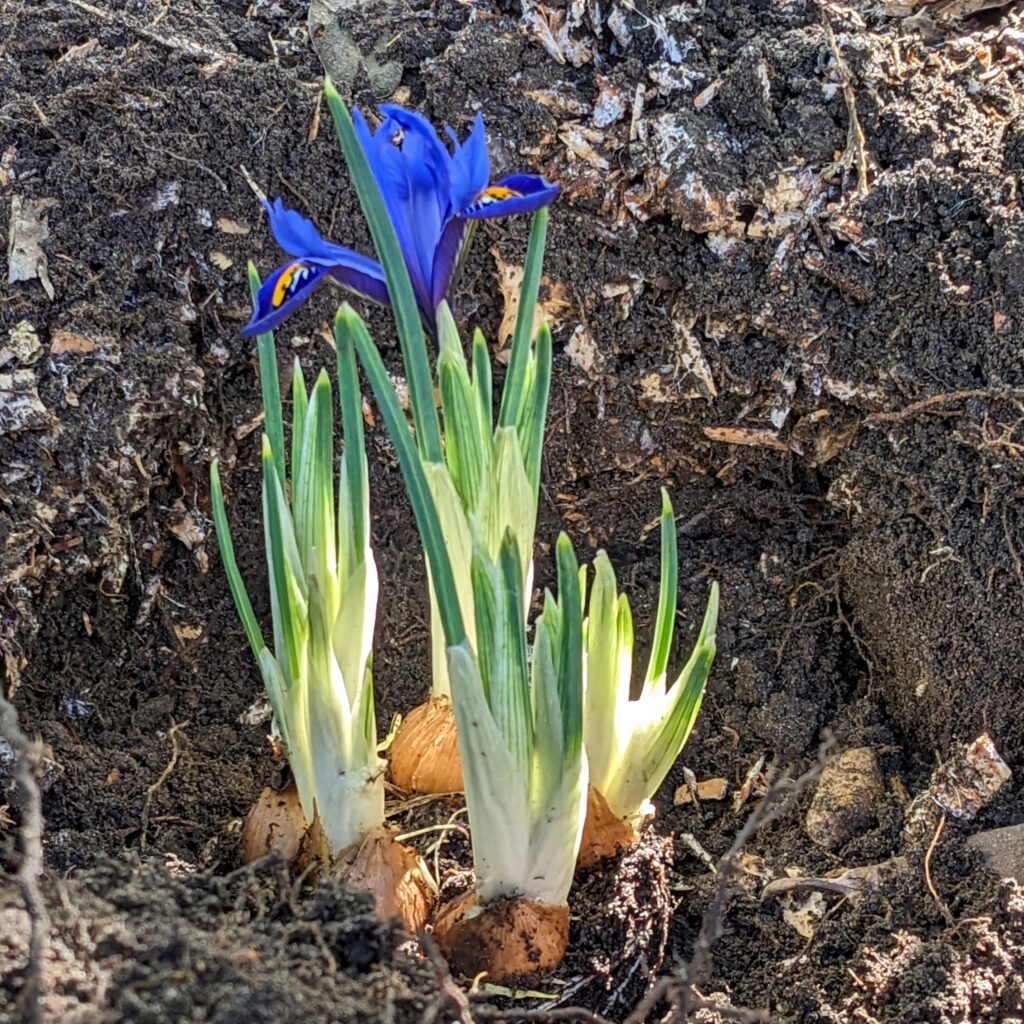
Instant Colour (Pots & Bulbs)
Look for “potted bulbs” (bulbs that have already started growing) for immediate impact.
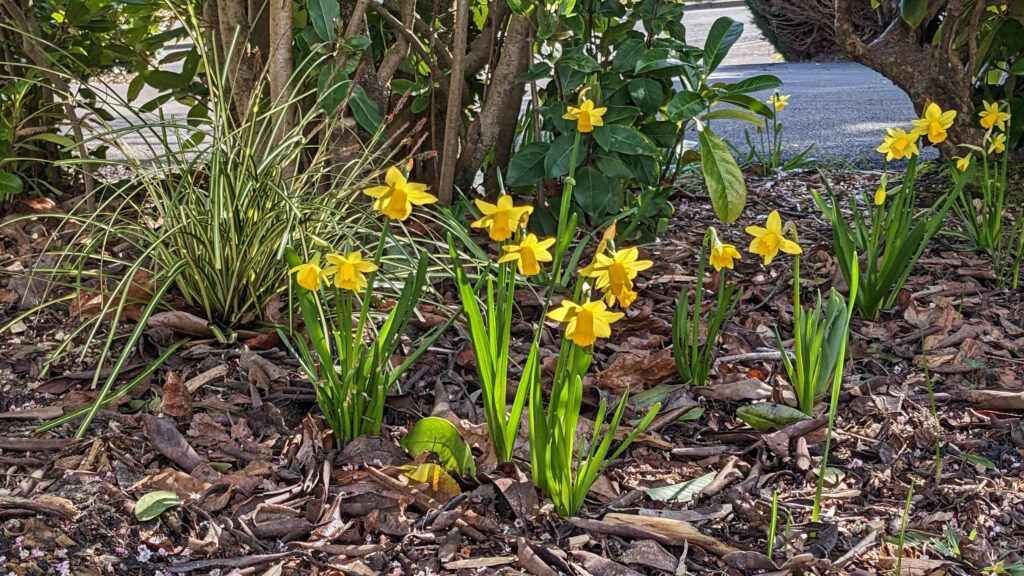
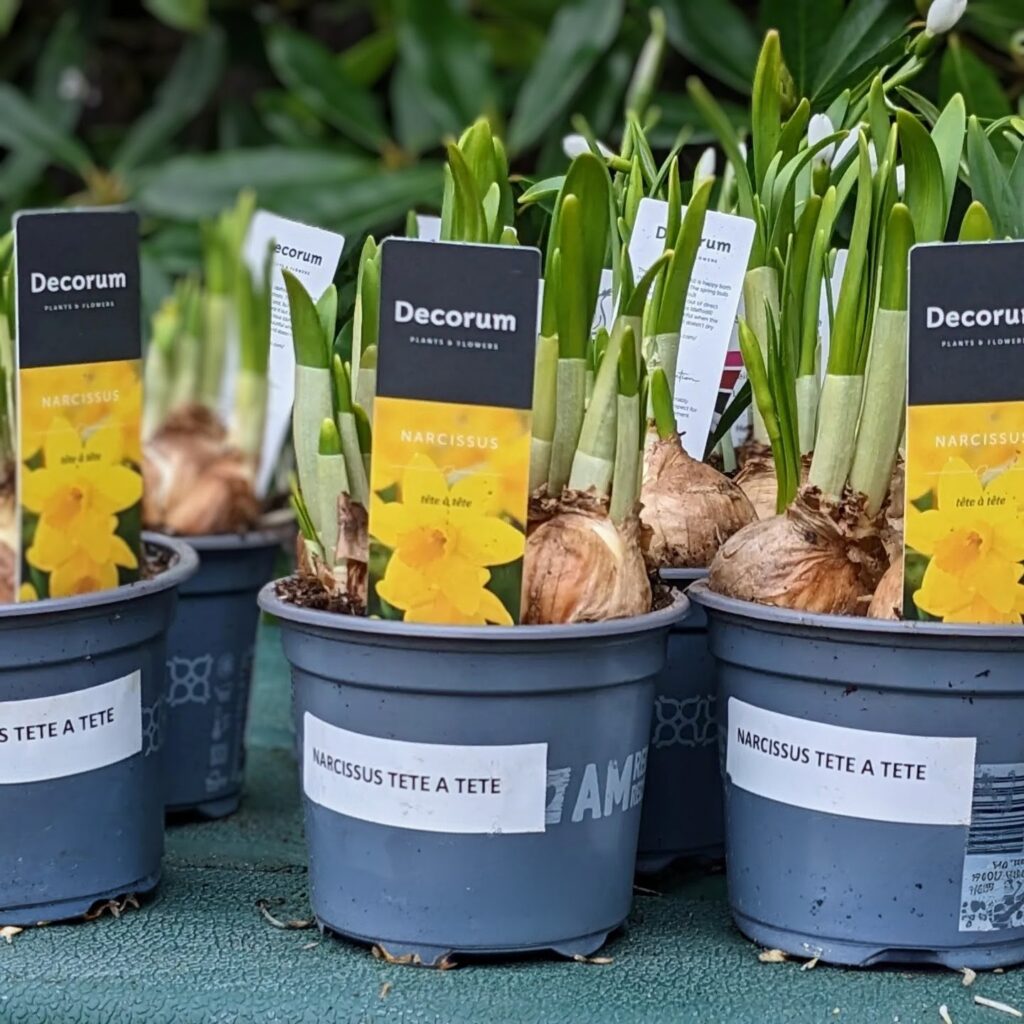
Narcissus ‘Tête-à-tête’
Miniature daffodils — buy 3 or 5 pots and plant in clumps for a natural look.
Iris reticulata
Often found in the alpine section this time of year.
Primroses & Polyanthus
Perfect for cheerful bursts of colour in borders and containers.
The Gardener's Pantry (Essentials)
The materials that keep everything thriving.
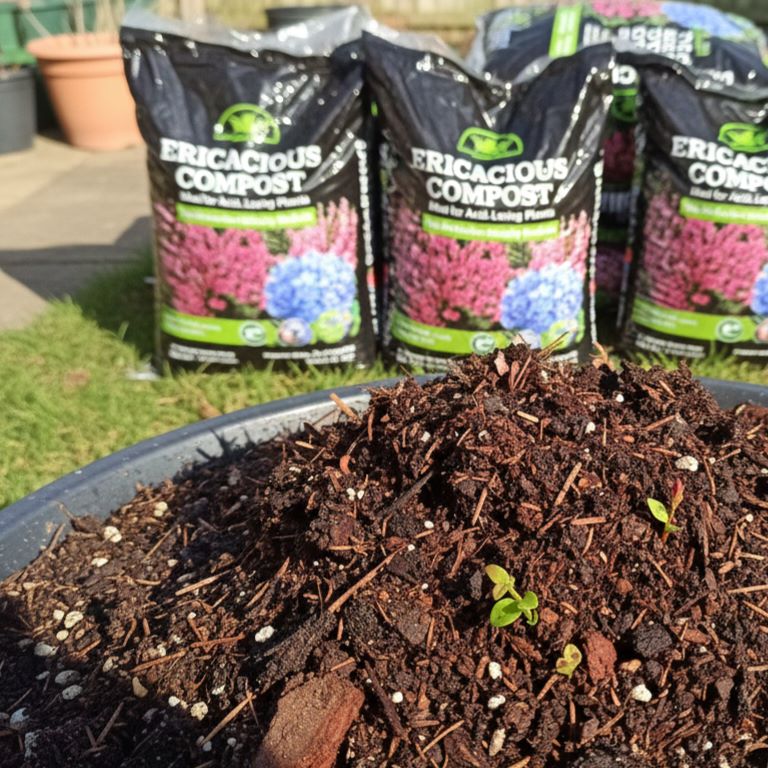
Ericaceous Compost
Crucial for Camellias and Pieris — they dislike standard multi-purpose compost.
Composted Bark or Leaf Mould
Ideal for mulching beds and retaining moisture in sandy soil.
Slow-Release Ericaceous Fertiliser
One application now can support growth throughout the season.
Top Tip
Before you head out, take a quick photo of the areas you want to plant. Staff at nurseries like Trehane or Haskins love seeing a visual reference — it helps them recommend the perfect plant for your light and space.
Since you’re already shopping, consider picking up the “support crew” for your plants. February in East Dorset can be windy and damp, so a few practical extras now can save effort later in the season.
February Maintenance: Tool Shed Essentials
Sharp Secateurs
If yours are looking rusty, treat yourself to a new pair — or invest in a sharpening stone. February is peak pruning season for roses and wisteria.
Garden Twine (Soft Jute)
Ideal for tying in climbing roses or clematis before the spring gales arrive.
Half-Moon Edging Iron
The secret weapon for Ferndown lawns. Use it now to create a clean, sharp edge between your grass and borders. It instantly makes the whole garden look more polished.

For the Local Wildlife
High-Calorie Suet Balls
Birds in St Leonards and St Ives are using significant energy to stay warm. “No-mess” suet varieties can help reduce unwanted squirrel raids.
Dried Mealworms
Perfect for robins that inevitably follow you around while you work.
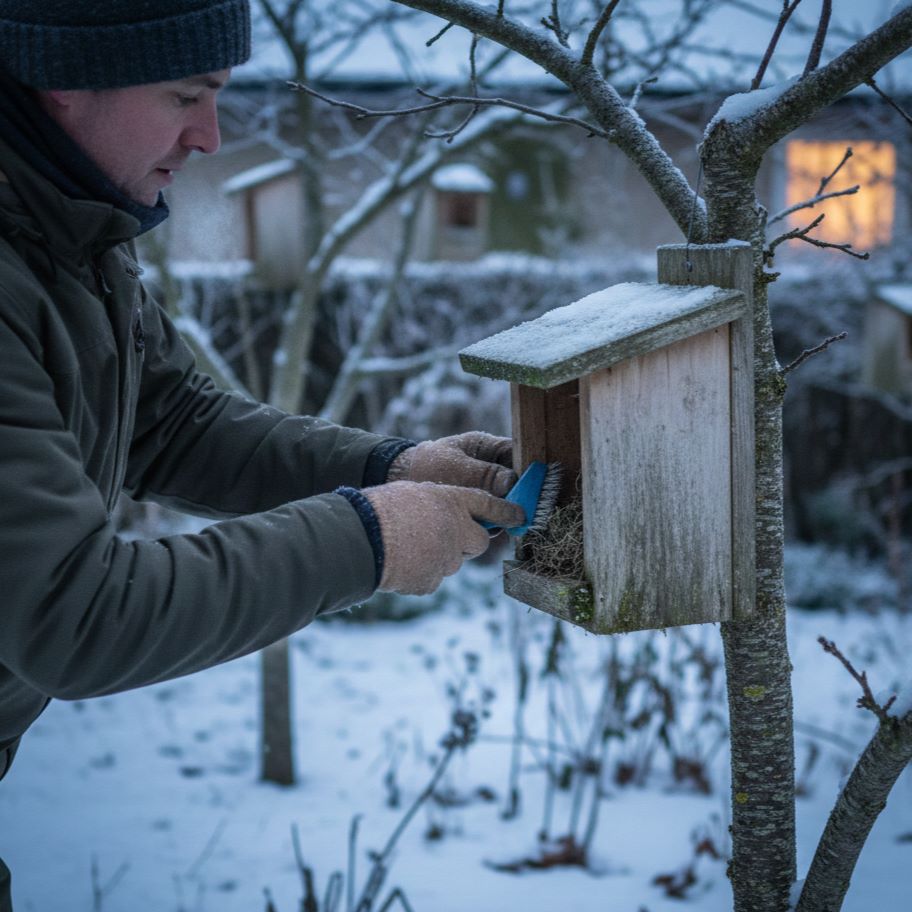
A New Nest Box
Install now on a north- or east-facing wall or tree. This allows birds to scout ahead of nesting season in March.
Protection & Preparation
Pot Feet
If you have patio containers in Wimborne, lift them onto pot feet or bricks. This prevents waterlogging and reduces the risk of frost damage.
Heavy-Duty Garden Sacks
Ideal for winter debris and pruning waste.
Local Tip
If visiting Haskins or Stewarts, check their clearance or seasonal benches. Late winter often brings discounted bare-root fruit trees and hedging — excellent for sandy soils when well mulched.
Back from the Shops Checklist
Dunk & Soak
Before planting shrubs such as Camellias or Pieris, dunk pots into water until bubbles stop rising. Sandy soil can repel water when dry, so starting with a fully saturated root ball is essential.
Use Ericaceous Compost
When planting acid-loving shrubs, mix ericaceous compost 50/50 with garden soil. Too much soil can cause yellowing; too much compost can restrict root spread.
Plant Bulbs Naturally
Avoid straight lines. Plant miniature daffodils like ‘Tête-à-tête’ in loose groups of three or five for a more natural effect.
Sharpen Lawn Edges
Spend just ten minutes with a half-moon edging iron. A crisp edge dramatically improves the appearance of any garden.
High-Altitude Dining
Hang suet feeders high. With heathland nearby, you may attract long-tailed tits or even a great spotted woodpecker.
The Pot Lift
Position pot feet beneath containers to encourage drainage and protect roots from cold, damp conditions.
The Final Step: The Reward
Put the kettle on, grab a biscuit, and admire your work. Your garden now has a serious head start on spring.
Book Your Late Winter Tidy-Up
We offer flexible half-day and full-day service options to suit your garden’s needs.
Book your late winter tidy-up today and let us handle the hard work — ensuring your garden is healthy, protected, and perfectly prepared for spring.
Contact us or call Benita on 07891 985701, and we will endeavour to respond promptly.